Understanding PTSD and the Role of Art
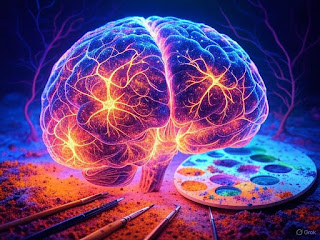

Post-Traumatic Stress Disorder (PTSD) affects millions of people worldwide—combat veterans, survivors of abuse, people who’ve lived through natural disasters or accidents, and many others. It’s a mental health condition that can manifest as flashbacks, nightmares, anxiety, and emotional numbness. Traditional therapies like Cognitive Behavioral Therapy (CBT) and medication play an essential role in managing PTSD, but in recent years, art and art therapy have emerged as powerful complementary tools for healing.
Art therapy isn’t just about painting pretty pictures—it’s about expression, release, and transformation. People with PTSD often struggle to verbalize their trauma. That’s where art steps in. Through drawing, painting, sculpting, or collage, individuals can process deeply buried emotions and experiences that may be too difficult to express with words. Art becomes a safe space—a visual language that bypasses the limitations of speech.
Interestingly, even without a trained therapist, engaging in personal creative practices like painting, coloring, or journaling can bring a sense of calm, focus, and grounding. Making art activates the parasympathetic nervous system, which helps counteract the fight-or-flight response that is often heightened in PTSD.
Page 2: The Science Behind Art Therapy for PTSD
The connection between art and healing isn’t just anecdotal—it’s supported by a growing body of research. Neuroscience shows that trauma is stored in non-verbal parts of the brain, including the amygdala and hippocampus. Traditional talk therapies may not fully access these areas, but art engages the brain differently, particularly in areas associated with sensory and emotional memory.
Studies have found that art therapy can reduce cortisol levels (the body’s primary stress hormone), regulate mood, and improve emotional resilience. In fact, a 2018 study published in the Journal of the American Art Therapy Association reported significant improvements in PTSD symptoms among combat veterans who participated in structured art therapy sessions. The creative process enabled them to externalize trauma, reframe experiences, and gain a sense of control.
Trauma often disconnects people from their bodies and from the present moment. Artistic expression, on the other hand, fosters mindfulness and embodiment. Working with colors, textures, and forms brings attention to the senses and the “now”—an essential part of trauma recovery.
Group art therapy sessions also help build community, reduce isolation, and create a sense of shared healing. For many people with PTSD, knowing they are not alone in their pain can be incredibly comforting.
Page 3: Real-Life Stories and the Power of Expression
Take the story of Sarah, a survivor of domestic abuse who turned to painting during her recovery. At first, her art was chaotic—dark colors, jagged shapes, and fragmented imagery. Over time, as she continued to paint, her canvases began to shift—more light, more flow, more hope. Art became her emotional journal, mapping out her journey from pain to empowerment.
Or consider John, a war veteran who had stopped talking to anyone about his time in combat. In art therapy, he began sketching scenes from memory. Gradually, he found himself opening up, first to his therapist, then to his family. Art was the bridge that connected him back to his emotions and to others.
Whether through formal therapy or personal creative exploration, art offers a profound way to process and transform trauma. It provides a visual outlet when words fall short. For people with PTSD, this can mean the difference between feeling trapped in the past and being able to reimagine a future.
Final Thoughts
Art isn’t a cure-all, but it’s a powerful ally in the healing process. For anyone living with PTSD, it offers a safe way to explore, express, and slowly untangle the knots that trauma leaves behind. Whether guided by a professional therapist or simply by intuition, the act of creating can lead to a renewed sense of self, resilience, and peace.
If you or someone you love is dealing with PTSD, consider picking up a paintbrush, some clay, or even just a box of crayons. The art you create doesn’t need to be perfect—it just needs to be yours.
🛍️ Browse my Abstract paintings full Etsy store here: https://faripalette.etsy.com
https://www.instagram.com/fari.arts4444/
Faripalette (Farzaneh Sedighian, BSc, MSc, PhD candidate)
📚 References:
-
Malchiodi, C. A. (2012). Handbook of Art Therapy (2nd ed.). The Guilford Press.
-
American Art Therapy Association (2018). “About Art Therapy.” https://arttherapy.org/about-art-therapy/
-
Gantt, L., & Tinnin, L. W. (2009). “Support for a neurobiological view of trauma with implications for art therapy.” The Arts in Psychotherapy, 36(3), 148–153.
-
King, R., & Kaimal, G. (2019). “Art therapy and visual journaling: Insights for PTSD treatment.” Frontiers in Psychology, 10, 1612.
-
Campbell, M., Decker, K. P., Kruk, K., & Deaver, S. P. (2016). “Art therapy and cognitive processing therapy for combat-related PTSD: A randomized controlled trial.” Art Therapy, 33(4), 169–177.