Art can affect sleep quality:
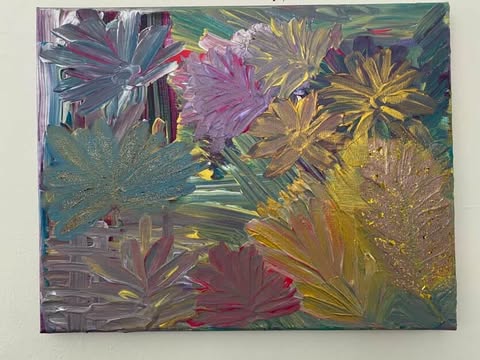
Cortisol and serotonin play different but complementary roles in how art and painting may support sleep. Cortisol is the body’s main stress hormone, and art-making has been associated with lower cortisol levels, which can make it easier to relax before bed. Serotonin is a neurotransmitter involved in mood regulation and sleep-wake control, and calming creative activity may support the mental conditions that favor healthier serotonin-related sleep regulation.
Cortisol and art
Hypothalamic-pituitary-adrenal axis diagram :

Cortisol rises when the body is under stress, and high evening cortisol can interfere with falling asleep and staying asleep. A 2016 study found that a brief art-making session significantly lowered salivary cortisol in most participants, suggesting that creating art can reduce physiologic stress. That matters for sleep because lower stress arousal at night often means fewer racing thoughts, less body tension, and a smoother transition into sleep.
Painting may help here because it is immersive, structured, and emotionally expressive at the same time. Those features can shift attention away from stressors and reduce the activation of the stress response system, including the HPA axis that drives cortisol release. In practical terms, this means painting may help the body move from a “fight-or-flight” state toward a calmer pre-sleep state.
Serotonin and sleep
Serotonin is more complex than a simple “sleep chemical,” but it is clearly involved in regulating mood, arousal, and sleep timing. Research on serotonin and sleep shows that serotonin-producing neurons have wake-related and sleep-related effects depending on the circuit and timing involved. Because serotonin helps regulate emotional stability, activities that lower stress and improve mood may indirectly support sleep by creating a more balanced neurochemical environment.
Painting may contribute to this indirectly by increasing positive emotional engagement, reducing rumination, and supporting relaxation. While the evidence is stronger for cortisol reduction than for direct serotonin measurement in art-making studies, the broader sleep literature supports the idea that mood regulation and sleep are tightly linked through serotonin-related pathways. So, art may not “boost serotonin” in a simple one-step way, but it may help create the conditions in which serotonin-linked mood and sleep regulation work more effectively.
Combined sleep effect
The most useful way to think about art-induced sleep improvement is as a stress-to-sleep pathway. Painting can lower cortisol-driven arousal, while also supporting emotional calm and positive engagement that may interact with serotonin-related mood regulation. Together, these changes can make it easier to unwind, reduce pre-bed mental noise, and fall asleep more naturally.
This is why art-making is often discussed as a complementary sleep-support strategy rather than a standalone medical treatment. It can be especially helpful for people whose sleep problems are tied to stress, anxiety, or emotional overload. In that context, painting works best when used regularly as part of a bedtime routine rather than as a one-time intervention.
- Curry NA, Kasser T. Reduction of Cortisol Levels and Participants’ Responses Following Art Making. Art Therapy. 2016.
- Stuckey HL, Nobel J. Creative Arts Interventions for Stress Management and Prevention: A Systematic Review. Arts in Psychotherapy / related PMC review. 2018.
- Caltech. Settling the Debate on Serotonin’s Role in Sleep. 2019.
- Healthline. Happy Hormones: What They Are and How to Boost Them. 2019.
- Luo X, et al. The role of arts therapies in mitigating sleep initiation and maintenance disorders: a systematic review. 2024.
- Art Impact Project. The Science Behind Art and Healing. 2025.