
Planting Hope and Motivation Through Art:
How Painting Transforms Young Lives

How Painting Transforms Young Lives
Young people today live in a world that moves fast—social pressures, academic expectations, digital overload, and emotional challenges often arrive all at once. In the midst of this constant motion, creativity provides something essential: a place to breathe. Art, especially painting, is far more than a hobby or an elective at school; it is a powerful tool for planting hope, building resilience, and motivating the next generation.
This article explores how engaging with art and painting can meaningfully support emotional strength, self-confidence, and future aspirations in youth—and why nurturing creativity matters now more than ever.
1. Art Helps Young People Build Emotional Strength Through Expression
One of the greatest challenges young people face is the difficulty of expressing feelings that they cannot fully describe with words. Painting gives them another language—a visual language—through which they can release frustration, sadness, excitement, curiosity, and dreams.
Why this matters
Unexpressed emotions often lead to stress, anxiety, and internalized pressure. Painting offers a safe, non-judgmental outlet, allowing young people to channel overwhelming feelings into color and form.
How painting plants hope
-
It helps them process difficult emotions in a healthy way.
-
It teaches that every messy stroke can become part of a meaningful final picture—a metaphor for life’s imperfect journey.
-
It provides a sense of relief, freedom, and personal control, all of which increase hope and psychological stability.
Research insight
Art expression therapies are known to support emotion regulation and resilience in youth, reducing anxiety and building coping abilities. Studies show that creative visual expression activates brain pathways associated with emotional release, mood regulation, and positive neuroplasticity.
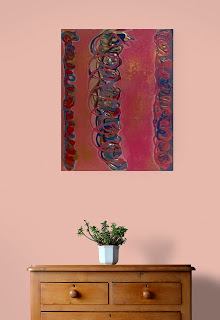
2. Painting Strengthens Motivation by
Activating Curiosity and Imagination
.jpg)
Activating Curiosity and Imagination
Young people are naturally imaginative. When they paint, they are not just filling a canvas—they are building worlds, trying new ideas, and developing a habit of exploration. All of these contribute directly to motivation.
Painting increases internal motivation because it:
-
Engages the brain’s reward system through creative problem-solving
-
Encourages experimentation without fear of failure
-
Helps them persist longer with tasks due to emotional investment
-
Builds pride and satisfaction when they finish a piece
Motivation grows when young people feel capable, curious, and free to create.
The spark of self-driven achievement
Each completed painting becomes a reminder:
“I did this. I can finish things. I can make something new.”
For young people who struggle with self-doubt or performance pressure, this sense of achievement is incredibly empowering.
3. Art Builds Identity, Self-Worth, and Confidence
Identity formation is one of the most important developmental experiences for young people. Painting supports this process by giving them a way to explore who they are and how they see the world.
Through painting, young people learn:
-
Their opinions matter
-
Their perspectives are valuable
-
They are capable of creating beauty and meaning
-
Their inner world deserves expression
Each painting becomes a visual representation of their individuality. This helps young people form a stronger sense of self, which is closely linked to long-term mental well-being and motivation.
Art helps them rewrite their internal story
Instead of “I’m not good enough,” they begin to think:
“I can create things. I have something to offer. My thoughts matter.”
This shift is profound—and it directly fuels hope.
4. Painting Reduces Stress and Creates Mental Clarity
Modern young people face unprecedented levels of stress, often without healthy coping tools. Painting is scientifically proven to reduce cortisol (the stress hormone) and induce a calm, meditative state.
Why painting relaxes the mind
-
Repetitive brushstrokes can be soothing
-
Focusing on colors and shapes quiets negative thoughts
-
Creative flow increases dopamine and positive mood
-
The physical act of painting grounds the body in the present moment
When stress decreases, clarity and motivation naturally rise. A calmer mind is more capable of imagining a hopeful future.
5. Art Encourages Positive Social Connection and Community
Painting can be a solitary practice, but sharing art with others—friends, family, classmates, or online communities—creates meaningful social support. Young people often thrive when they feel seen.
Benefits of artistic community
-
Encouragement builds self-confidence
-
Shared creativity strengthens friendships
-
Connection reduces feelings of loneliness
-
Positive feedback reinforces personal identity
Art gives young people a way to communicate with others without pressure to be perfect. It helps them feel that they belong.
6. Painting Opens Doors to Future Possibilities
Engaging in art early in life can spark long-term passions and career interests—graphic design, illustration, architecture, fashion, animation, interior design, therapy, and more. Even when art doesn’t become a full-time profession, it cultivates skills that support success in every area:
-
patience and focus
-
problem-solving
-
innovative thinking
-
discipline
-
attention to detail
-
emotional intelligence
These are the same skills that build motivated, hopeful, and adaptable adults.
7. Painting Helps Young People Visualize Hope
Hope is not just an emotion—it’s an ability. It requires imagining positive outcomes, believing in new possibilities, and visualizing a brighter future.
Painting actively trains this muscle.
When young people pick colors, create scenes, or express dreams on canvas, they are practicing the art of seeing possibility. Every new artwork is a small but powerful reminder that:
“The future can be shaped. I have the power to create something different.”
This mindset is hope itself.
Conclusion: Creativity as a Lifeline for Youth
Painting gives young people more than artistic talent—it gives them:
-
tools for emotional resilience
-
space for self-expression
-
a sense of autonomy
-
the ability to imagine solutions
-
confidence in their identity
-
motivation to pursue their dreams
In a world that often feels overwhelming, nurturing creativity is one of the most loving and life-changing gifts we can offer the younger generation.
Art plants hope where words sometimes fail. It motivates when life feels confusing. It empowers when young people feel lost. And it helps them see that they can build a future filled with meaning, beauty, and joy.
References
American Art Therapy Association. (2021). The Healing Power of Art: Impact on Youth Emotional Development.
Malchiodi, C. (2015). Art Therapy and Health Care. Guilford Press.
Kimport, E., & Robbins, S. (2012). Efficacy of creative arts therapies in youth mental health. The Arts in Psychotherapy.
Kaimal, G., Ray, K., & Muniz, J. (2016). “Reduction of cortisol levels and participants’ responses following art making.” Art Therapy Journal of the American Art Therapy Association.
Stuckey, H. L., & Nobel, J. (2010). “The connection between art, healing, and public health.” American Journal of Public Health.
If You Enjoy Art That Inspires Hope…
I invite you to explore my Etsy store and Instagram page, where I share my original paintings in abstract, expressionist, and modern styles—created with the intention of bringing tranquility, hope, and happiness into people’s lives.
If a piece speaks to you, I would be honored for you to bring it into your home or share it with someone who needs a little encouragement.
Your support helps keep creativity alive—and helps me continue making art that uplifts others. 💛
my Instagram page link: https://www.instagram.com/fari.arts4444/
My Etsy online shop; https://faripalette.etsy.com