.jpg)
🎨 The Healing Power of Art: How Art Therapy Helps with
Trichotillomania (Hair-Pulling Disorder)
Trichotillomania, often shortened to “Trich,” is more than a bad habit. It’s a complex mental health condition that causes people to repeatedly pull out their own hair, often from the scalp, eyebrows, or eyelashes. While it’s classified under Obsessive-Compulsive and Related Disorders in the DSM-5, its emotional toll is deeply personal and often hidden behind shame and frustration.
But here’s something hopeful: Art and art therapy are emerging as powerful, non-judgmental ways to help manage and reduce the symptoms of Trichotillomania. Let’s dive into how creative expression can calm the urge to pull and reconnect people with themselves in healing, meaningful ways.
🌿 Page 1: Understanding Trichotillomania & the Emotional Loop
People who live with Trich often describe the behavior as a mix of uncontrollable urges, rituals, and emotional relief—all wrapped in guilt. Many experience:
-
Anxiety or tension before pulling
-
A sense of release or satisfaction afterward
-
Shame or embarrassment over hair loss
This creates a habit-reward cycle that’s difficult to break, especially without tools to manage the underlying feelings.
That’s where art therapy comes in.
Unlike traditional talk therapy, art therapy taps into nonverbal processing. It’s not about creating perfect art—it’s about expressing and transforming internal emotions in a safe way.
🖌️ “With art, I can express the itch without hurting myself,” one participant shared in a group art therapy session for body-focused repetitive behaviors (BFRBs).
🎭 Page 2: Why Art Therapy Works for Trichotillomania
Art therapy has several unique benefits for individuals with Trichotillomania:
1. Interrupts the Habit Loop
Engaging the hands with drawing, sculpting, painting, or collage provides a sensory and motor substitute for hair-pulling. It keeps the hands busy and the mind focused.
2. Reduces Anxiety and Improves Mindfulness
The repetitive, soothing nature of art—like stroking a paintbrush or shaping clay—calms the nervous system. This reduces the stress and anxiety that often trigger pulling episodes.
3. Builds Self-Awareness
Through creating, individuals start to recognize emotional and physical triggers. For example, one might notice, “I tend to pull more when I’m overwhelmed at work,” which opens the door for coping strategies.
4. Supports Emotional Release
Many people with Trich struggle to put their feelings into words. Art offers a non-verbal channel to express pain, frustration, or inner conflict—without judgment.
5. Increases Self-Esteem
Creating something beautiful—even from a place of pain—can be incredibly empowering. For someone dealing with shame around their appearance, reclaiming beauty through art is a bold, healing act.
🧠 Research note: A 2020 case study published in the Journal of the American Art Therapy Association reported significant symptom reduction in a young woman with Trich after just 10 sessions of targeted art therapy.
🌈 Page 3: How to Start Art Therapy for Trichotillomania
You don’t need to be an artist to benefit from art therapy. All you need is willingness—and a few supplies. Here are some ways to get started:
✏️ Try These Art Therapy Activities at Home:
-
Emotion Collage: Use old magazines to create a visual representation of your current mood.
-
Body Map: Draw an outline of your body and mark areas where you feel tension or the urge to pull.
-
Clay Sculpting: Keep a small ball of clay nearby to squeeze or mold when you feel the urge.
-
Texture Painting: Use thick paint or mixed media to create calming textures that you can run your fingers over.
🤝 Work with an Art Therapist
A certified art therapist (ATR or ATR-BC) can help guide your sessions and personalize activities that speak to your triggers, emotions, and healing journey.
Search for professionals via:
🧘 Combine with Mindfulness Practices
Art therapy works beautifully alongside mindfulness, CBT (Cognitive Behavioral Therapy), and Habit Reversal Training (HRT). These methods together can reduce the intensity and frequency of hair-pulling episodes.
💬 Final Thoughts: From Coping to Creating
Living with Trichotillomania can feel isolating, but healing often begins with compassion, connection, and creativity. Art therapy offers all three.
Whether you’re painting your pain or drawing your dreams, each stroke is a step forward. And sometimes, the path to recovery is found not in resisting the urge—but in redirecting it into something meaningful.
If you or someone you love struggles with Trich, consider exploring art therapy as a tool—not to “fix” who you are, but to help you reconnect with your body, your emotions, and your creativity. 💛
Have you tried art therapy for Trichotillomania? Share your story in the comments below!
- Inspired by This? Discover My Art!
As an artist, I’m deeply passionate about the power of art to bring peace, joy, and new ways of expressing ourselves—especially for children and families.
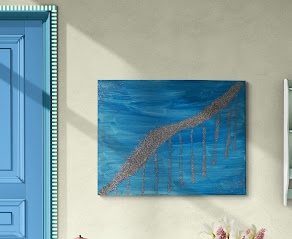
🌟 You can explore my original paintings, designed to inspire tranquility and happiness, on my Etsy Shop https://faripalette.etsy.com
🌟 Follow my creative journey and get daily inspiration on @fari.arts4444Every piece I create is made with heart, imagination, and the belief that art can be a bridge to something beautiful—whether that’s a feeling, a conversation, or a brand new dream. 💛
Thank you for supporting handmade art and creative expression!
-