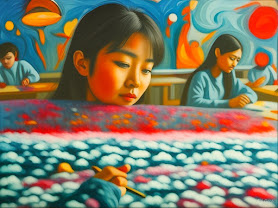
How Art Therapy Helps People with PTSD Heal
Through Creativity

Through Creativity
Can making art help people recover from trauma? Absolutely. For many individuals living with PTSD (Post-Traumatic Stress Disorder), expressing their emotions with words can feel overwhelming or even impossible. That’s where art therapy comes in—a powerful, creative way to heal from deep emotional wounds.
In this blog post, we’ll explore what art therapy is, how it supports PTSD recovery, and what science and real-life stories tell us about its impact.
🎨 What Is Art Therapy?

Art therapy is a form of psychotherapy that uses the creative process—like drawing, painting, or sculpting—to support mental and emotional healing. It’s not about how “good” the artwork looks; it’s about what the process of creating reveals, expresses, and transforms.
Certified art therapists guide clients through various activities, helping them explore thoughts and feelings that may be too painful or complex to verbalize. The goal is self-expression, emotional release, and healing.
🧠 What Is PTSD?
PTSD stands for Post-Traumatic Stress Disorder, a mental health condition triggered by experiencing or witnessing a traumatic event—such as military combat, abuse, assault, or accidents.
People with PTSD may experience:
-
Flashbacks or intrusive memories
-
Emotional numbness or detachment
-
Avoidance of reminders of the trauma
-
Anxiety, irritability, or hypervigilance
-
Difficulty sleeping or concentrating
PTSD can disrupt everyday life and relationships. While treatments like talk therapy and medication help, creative therapies like art therapy are now being widely recognized as effective complementary tools.
🖌️ How Art Therapy Helps PTSD Survivors
1. Non-Verbal Expression
Trauma is often stored in parts of the brain that don’t easily translate into words. Art allows individuals to express the unspeakable through color, form, and symbolism.
For example, someone might draw a stormy sea to represent their inner chaos or a closed door to symbolize emotional barriers. These images become starting points for deeper healing.
2. Calming the Nervous System
Art-making can be incredibly soothing. Activities like coloring, shaping clay, or painting can activate the parasympathetic nervous system, which helps the body relax and recover from stress.
Even 30–45 minutes of creative activity can reduce cortisol (a stress hormone), improve mood, and bring a sense of calm.
3. Reframing the Trauma Story
Art helps people externalize and reframe their trauma. Instead of avoiding painful memories, survivors can gradually explore and reshape them through visual storytelling—often gaining a sense of control and empowerment.
Common techniques include:
-
Collage work to express complex memories
-
Safe space drawings to visualize peace and protection
-
Mask-making to explore hidden emotions
4. Building Confidence and Identity
Many trauma survivors feel disconnected from themselves. Creating art can restore a sense of identity and achievement. Completing a piece of art—no matter how simple—can spark pride, joy, and confidence.
5. Connecting with Others
In group art therapy sessions, people share their work, reflect together, and form supportive connections. Art becomes a bridge between people who might otherwise struggle to open up.
📚 What the Research Says
Studies and real-world programs back up the healing power of art therapy:
-
A 2018 study found that veterans with PTSD who participated in art therapy reported reduced symptoms and increased emotional resilience.
-
A 2020 study with Syrian refugee children showed major improvements in emotional regulation and focus after just a few weeks of art-based interventions.
-
A 2016 study revealed that 45 minutes of art-making reduced stress hormones in participants, regardless of skill level.
✨ Real-Life Examples
-
Veterans: Many U.S. programs now include art therapy for soldiers returning from combat. Painting and sculpture help them express what words cannot.
-
Sexual assault survivors: Art therapy helps survivors rebuild self-worth and reprocess memories in a safe, symbolic way.
-
Children and teens: For younger individuals, art is often more natural than talking. Therapists use drawing, play, and storytelling to help them feel safe again.
⚠️ A Few Things to Know
-
Art therapy should be guided by a licensed art therapist, especially when working with trauma.
-
It works best as part of a holistic treatment plan, alongside other therapies.
-
Some people may feel unsure or hesitant at first—and that’s okay. It’s a process of trust, not perfection.
❤️ Final Thoughts
Art therapy offers a gentle, yet powerful path to healing. Whether it’s painting a feeling, sculpting strength, or simply playing with color, art helps people reclaim their voice, tell their story, and find peace—one brushstroke at a time.
If you or someone you know is living with PTSD, exploring art therapy might be the beginning of a beautiful healing journey.
Have you tried art as a form of self-expression or healing? Share your experience in the comments!
Inspired by This? Discover My Art!
As an artist, I’m deeply passionate about the power of art to bring peace, joy, and new ways of expressing ourselves—especially for children and families.
🌟 You can explore my original paintings, designed to inspire tranquility and happiness, on my Etsy Shop https://faripalette.etsy.com
🌟 Follow my creative journey and get daily inspiration on @fari.arts4444
Every piece I create is made with heart, imagination, and the belief that art can be a bridge to something beautiful—whether that’s a feeling, a conversation, or a brand new dream. 💛
Thank you for supporting handmade art and creative expression!