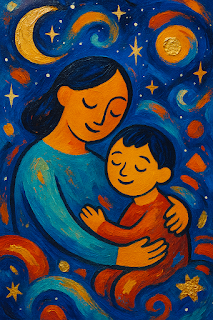
Engaging toddlers predisposed to Autism Spectrum Disorder (ASD) in art activities—particularly
in homes where an older sibling is already diagnosed with ASD—may help support their development and possibly reduce the severity or likelihood of a later ASD diagnosis.
As both an artist and someone deeply passionate about emotional well-being, I often reflect on how creativity—especially visual art—can shape our minds from a very young age. Through Faripalette, my work is all about creating tranquility and happiness through abstract and modern expressionist paintings, infused with gold and layered in 3D textures. But art isn’t only about beauty—it’s a tool for transformation.
One area that fascinates me is how art-making can support toddlers who are predisposed to Autism Spectrum Disorder (ASD), especially those growing up with an older sibling already diagnosed with autism. Research shows that although genetics play a major role in ASD, a nurturing, creative environment can positively influence how a child develops—and art can be a powerful part of that.
Creativity and Connection in Early Childhood
The Genetics of Autism and Sibling Risk
ASD is a neurodevelopmental condition with strong genetic ties. If a family already has a child with autism, the younger sibling is more likely to show signs or traits associated with ASD. But early intervention can make a difference—particularly interventions that involve sensory-rich, emotionally expressive activities like art.
This is where a creative environment, like the one I strive to create through Faripalette, can become more than just aesthetic—it can be therapeutic.
Art as a Developmental Foundation
For toddlers, art is exploration. Scribbling, painting, or even smudging color with fingers on canvas helps build fine motor skills, emotional expression, and social interaction. These are often areas where autistic children need the most support.
Through sensory-rich activities like layering gold textures or experimenting with soft, dreamy brushstrokes—just like I use in my own paintings—we give toddlers a playground for stimulating their senses and building neural connections.
Why Art Helps Toddlers at Risk
1. Building Social Communication
Many children on the spectrum struggle with joint attention and nonverbal communication. Art allows for shared attention between caregiver and child, as they talk about colors, shapes, and what the child is expressing through their marks. This builds important social and language pathways.
2. Focus, Flow, and Calm
One of my personal goals through Faripalette is to offer a sense of calm and clarity. This is also true when toddlers engage in art—they enter a flow state. Their attention becomes sustained, and they learn that effort brings emotional reward. For children at risk of ASD, these are incredibly protective experiences.
3. Sensory Integration Through Texture and Color
My own paintings are rich in texture, often with 3D gold layers and surrealist elements that invite the viewer to feel and explore. This mirrors how toddlers can benefit from art: they explore different textures, colors, and materials, helping them become more comfortable with sensory input—a common challenge for autistic children.
4. Emotional Regulation and Expression
Color has power. Abstract forms hold emotion. Giving a toddler paint, clay, or even glitter can help them regulate their emotions through physical activity and visual feedback. These little artistic rituals help create safe, happy patterns that build emotional resilience.
When Art Becomes a Family Language
Learning from an Older Sibling with ASD
In homes with an older autistic sibling, toddlers often see and experience therapies early. If art is already part of the home—used in therapy or as a family ritual—these toddlers are likely to imitate and engage. Even if their sibling has limited speech, shared art activities can become a bridge for connection.
Parental Insight and Intuition
Parents who have already navigated ASD once are often more intuitive and proactive with their second child. Integrating art into daily life becomes not just a way to bond, but a tool for early observation, developmental tracking, and joyful enrichment.
By surrounding the child with an artistic atmosphere—just like the one I nurture in my studio—you’re offering something beyond words: a visual, tactile language that speaks directly to their developing brain.
Inspiration from Faripalette: Art for Healing and Growth
In my own work as a painter at Faripalette, I create modern, abstract, and surrealist canvases layered with gold, texture, and emotion. My goal is to communicate a sense of peace, lightness, and joy—the very things we hope to nurture in all children, but especially in those who may be vulnerable to sensory overload or social challenges.
Whether you’re a parent, educator, or fellow artist, consider how even simple art materials can open new worlds for a toddler at risk. What begins as a playful swirl of color can become a powerful act of healing, resilience, and connection.
🌟 Explore Faripalette
If you’re interested in seeing how these themes translate into visual art, you’re warmly invited to visit my shop and follow my creative journey:
🛒 Etsy Shop – https://faripalette.etsy.com
📸 Instagram https://www.instagram.com/faripalette.
Through every brushstroke, I hope to continue creating art that touches lives—from walls to hearts—and maybe, even in a small way, supports early developmental journeys.
🧠 Scientific & Academic Sources
1. Genetic Risk in Siblings of Children with ASD
-
Ozonoff, S. et al. (2011). Recurrence risk for autism spectrum disorders: A Baby Siblings Research Consortium study. Pediatrics, 128(3), e488–e495.
➤ This widely cited study found that siblings of children with ASD have about a 18-20% chance of also being diagnosed, emphasizing the importance of early monitoring and enrichment.
Link
2. Early Intervention Benefits
-
Dawson, G. et al. (2010). Randomized, controlled trial of an intervention for toddlers with autism: The Early Start Denver Model. Pediatrics, 125(1), e17-e23.
➤ This study shows that early behavioral intervention, which includes play-based and interactive methods like art, can significantly improve cognition and adaptive behavior in at-risk toddlers.
Link
3. Art Therapy and Development in ASD
-
Martin, N. (2009). Art Therapy and Autism: Overview and Recommendations. Art Therapy: Journal of the American Art Therapy Association, 26(4), 187–190.
➤ Discusses how art therapy improves communication, reduces anxiety, and helps with emotional regulation in children with autism.
Link -
Evans, K., & Dubowski, J. (2001). Art Therapy with Children on the Autistic Spectrum: Beyond Words. Jessica Kingsley Publishers.
➤ A foundational book exploring how visual arts support development in children with ASD, especially those with limited verbal communication.
4. Sensory Integration Through Art
-
Baranek, G. T. (2002). Efficacy of Sensory and Motor Interventions for Children with Autism. Journal of Autism and Developmental Disorders, 32(5), 397–422.
➤ Reviews how activities involving sensory input (like painting, tactile materials) can promote regulation and engagement in autistic children.
Link
5. Role of Play and Parental Interaction
-
Zwaigenbaum, L. et al. (2015). Early identification and interventions for autism spectrum disorder: Executive summary. Pediatrics, 136(Supplement 1), S1–S9.
➤ Recommends play-based and socially engaging activities (including art) for toddlers at risk, especially in families with ASD history.