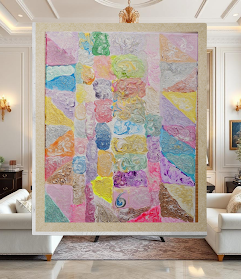
.png)
🎨 The Healing Brush: How Art and Art Therapy Help People
with Bipolar Disorder
Living with bipolar disorder can feel like a rollercoaster — extreme highs followed by crushing lows. While traditional treatments like medication and psychotherapy remain essential, a growing body of research and real-life stories show that art and art therapy offer powerful, healing benefits for people living with this condition.
This article dives into how creativity, expression, and structured art therapy can improve the quality of life for individuals with bipolar disorder — mentally, emotionally, and even physically.
Page 1: What Is Bipolar Disorder and Why Art Can Help
Bipolar disorder is a mental health condition marked by intense mood swings — from manic or hypomanic episodes (elevated mood, energy, or irritability) to depressive episodes (sadness, fatigue, or hopelessness). These cycles can make life unpredictable and emotionally exhausting.
🧠 The Brain on Bipolar
Bipolar disorder affects:
-
Mood regulation
-
Sleep patterns
-
Energy levels
-
Cognitive functioning
-
Impulse control
This is where art comes in.
🎨 Why Art?
Art naturally engages the brain in ways that stabilize emotions:
-
Activates the reward center (dopamine pathways)
-
Encourages mindfulness and focus
-
Promotes emotional release
-
Enhances communication of internal experiences
In short, doing art — whether painting, sculpting, journaling, or collaging — helps people process overwhelming emotions and gain a sense of control.
Page 2: The Therapeutic Side — What Happens in Art Therapy?
Art therapy isn’t just “making art.” It’s a structured psychological intervention led by trained therapists. It combines:
-
Creative expression
-
Psychological insight
-
Therapeutic goals
💬 Expressing the Inexpressible
Bipolar disorder can be hard to describe. During depressive or manic phases, verbal communication often falls short. Art gives form to the unspoken:
-
Abstract paintings may reveal chaos or numbness.
-
Symbolic drawings can illustrate hope, fear, or identity struggles.
🧘♀️ Grounding and Regulation
During manic episodes, individuals often report racing thoughts and high energy. Art therapy can offer grounding:
-
Slow, repetitive movements (like drawing patterns) help reduce overstimulation.
-
Sculpting or working with clay can provide a calming, tactile experience.
In depressive phases, art can be a gentle reintroduction to activity when motivation is low. It helps people reconnect with themselves and the world around them.
🪞Self-Reflection and Insight
Art therapy often includes discussions about the work. This deepens understanding of emotional triggers and recurring patterns — crucial for bipolar management.
Page 3: Science + Stories: What the Research and Real People Say
Studies increasingly support the role of art in mental health care — especially for mood disorders like bipolar disorder.
🔬 What Research Shows
-
A 2021 study published in Frontiers in Psychology found that art-making reduced anxiety and emotional dysregulation in people with mood disorders.
-
A meta-analysis in 2023 concluded that structured art therapy significantly improved mood stability and self-awareness in individuals with bipolar I and II.
-
Imaging studies show that creating art activates both hemispheres of the brain, promoting balance and neuroplasticity.
💬 Real-Life Testimonials
-
“During a manic episode, I painted non-stop. My therapist helped me understand what the colors and intensity meant. It helped me catch early warning signs next time.” – Jamie, 34
-
“Art therapy gave me a space where my moods didn’t need to be ‘fixed’ — just expressed.” – Ana, 29
-
“When I’m depressed, painting gives me a reason to get out of bed. When I’m manic, it slows me down.” – Marcus, 41
👥 Community and Belonging
Many people with bipolar disorder feel isolated. Group art therapy or community art events foster social connection, nonjudgmental expression, and a sense of belonging — all of which are protective against relapse.
Final Thoughts: A Creative Ally on the Bipolar Journey
Art and art therapy aren’t cures for bipolar disorder, but they are powerful tools for resilience, understanding, and emotional balance. They help people translate chaos into creation and silence into symbols. In a world where bipolar disorder can feel like an endless storm, art becomes the calm eye — a place to breathe, reflect, and heal.
Whether it’s painting at home, attending an art therapy session, or even doodling in a notebook — engaging in art is a gentle, powerful act of self-care.
- Inspired by This? Discover My Art!
As an artist, I’m deeply passionate about the power of art to bring peace, joy, and new ways of expressing ourselves—especially for children and families.
🌟 You can explore my original paintings, designed to inspire tranquility and happiness, on my Etsy Shop https://faripalette.etsy.com
🌟 Follow my creative journey and get daily inspiration on @fari.arts4444Every piece I create is made with heart, imagination, and the belief that art can be a bridge to something beautiful—whether that’s a feeling, a conversation, or a brand new dream. 💛
Thank you for supporting handmade art and creative expression!
-