
Art, Painting, and Sleep
Art and painting can support sleep quality by lowering stress, shifting attention away from worries, and creating a calmer mental state before bedtime. In the research literature, arts therapies are described as non-pharmacological approaches that can improve sleep quality, especially when sleep problems are linked to anxiety, depression, or mental tension. Painting may be especially useful because it combines focused attention, slow repetitive movement, and emotional expression, all of which can reduce physiological arousal and mental overactivity before sleep.
For many people, sleep difficulties are not only about the body being tired; they are also about the mind staying activated too late at night. Painting offers a gentle transition from high stimulation to quiet concentration, which may help the brain move into a more relaxed state that is more favorable for sleep. This is one reason art-based activities are often discussed alongside meditation, mindfulness, and other calming interventions in sleep research.
How Painting Helps
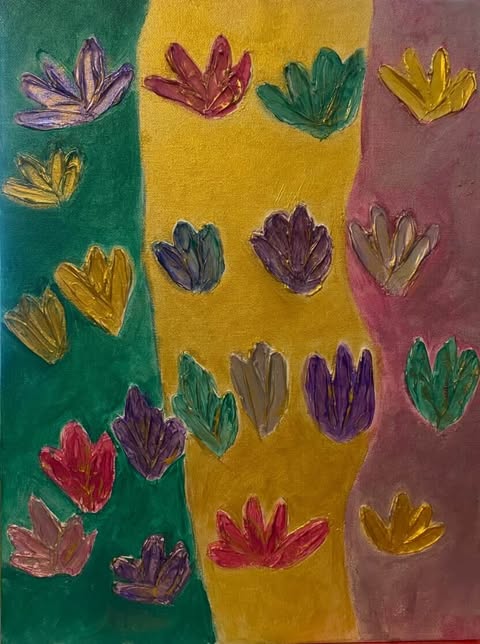
Painting may improve sleep through several overlapping pathways. First, it can reduce stress and emotional tension, which are common drivers of insomnia and poor sleep initiation. Second, it may create a mindful, absorbed state that lowers pre-sleep arousal, a major factor in difficulty falling asleep. Third, painting can provide a safe outlet for emotional processing, which may reduce rumination and help the nervous system settle down before bedtime.
Clinical studies summarized in a 2024 systematic review found that arts therapies, including visual arts-related approaches, significantly improved sleep quality across multiple randomized controlled trials. The review also noted that relaxing creative activities may help by easing anxiety, stress, and depressive symptoms, all of which are closely linked to sleep problems. In one study of painting combined with emotional guidance for people with schizophrenia, the intervention improved Pittsburgh Sleep Quality Index scores more than routine care alone. Although not every art intervention produces the same effect, the overall pattern suggests that structured creative activity can be a meaningful support for sleep health.
Brain and Nervous System
The sleep benefits of art are not usually caused by one single mechanism, but by a combination of psychological and neurobiological changes. When a person paints, the brain often shifts toward focused attention and emotional regulation, which can reduce stress-related activation in the body. This calming effect may lower sympathetic nervous system activity and support parasympathetic dominance, the “rest-and-digest” state that prepares the body for sleep.
Art-making can also reduce cortisol, the stress hormone, according to summaries of creative-activity research. Lower stress hormones matter because elevated stress can delay sleep onset, increase nighttime awakenings, and reduce perceived sleep quality. In this way, painting may not act as a sleep medication, but rather as a behavioral reset that helps the brain become less alert and more ready for rest.
Neurotransmitters Involved
Several neurotransmitters are central to sleep regulation, and art-related relaxation may influence the systems they belong to indirectly. GABA is one of the most important inhibitory neurotransmitters in the brain, and sleep-active neurons in the hypothalamus and basal forebrain use GABA to inhibit wake-promoting cells. Histamine, norepinephrine, and serotonin are all tied to wakefulness and arousal, and their reduced activity during sleep is part of the normal sleep-wake cycle.
Orexin, also called hypocretin, helps stabilize wakefulness and is especially important for preventing unwanted transitions into sleep or wake instability. Dopamine is also relevant because it supports wakefulness, motivation, and reward, and creative activity has been linked with dopaminergic activation in broader brain research. In plain terms, painting may help sleep by lowering the arousal networks that keep the brain “on,” while supporting the calmer conditions in which GABA-dominant sleep processes can become more effective.
Why This Matters
This topic is important because many people want sleep support that feels natural, low-cost, and emotionally meaningful. Art and painting are not cures for chronic insomnia, but they can be valuable parts of a sleep routine, especially when stress, sadness, or racing thoughts are part of the problem. They may be especially helpful for people who prefer non-drug approaches or want a calming evening ritual that is creative rather than passive.
The best-supported use of painting for sleep is as a relaxing pre-bed activity, ideally done consistently and without pressure to “make something perfect”. The goal is not artistic performance, but calming the nervous system and creating a smoother transition into sleep. In that sense, painting works less like a hobby alone and more like a gentle form of self-regulation.
As an artist, I’m deeply passionate about the power of art to bring peace, joy, and new ways of expressing ourselves—especially for children and families.
🌟 You can explore my original paintings, designed to inspire tranquility and happiness, on my Etsy Shop https://faripalette.etsy.com
🌟 Follow my creative journey and get daily inspiration https://faripalette.etsy.com on https://www.instagram.com/fari.arts4444/
Every piece I create is made with heart, imagination, and the belief that art can be a bridge to something beautiful—whether that’s a feeling, a conversation, or a brand new dream. 💛
Thank you for supporting handmade art and creative expression!
References
- Luo X, Zhang A, Li H, et al. The role of arts therapies in mitigating Sleep Initiation and Maintenance Disorders: a systematic review. Front Psychiatry. 2024;15:1386529.
- The effect of painting art combined with emotional guidance training on sleep quality in schizophrenia patients. Schizophrenia Bulletin. 2025.
- Siegel JM. The Neurotransmitters of Sleep. J Clin Psychiatry. 2004;65(Suppl 16):4–7.
- Creativity, brain, and art: biological and neurological considerations. PMC.
- Utilizing art therapy journaling to decrease insomnia and promote sleep quality. Dominican University thesis/project, 2021.
- The Science Behind Art and Healing. Art Impact Project, 2025.