
Art and Dopamine: How Painting Stimulates the Brain’s Reward System
The Neuroscience of Motivation, Pleasure, and Emotional Balance Through Visual Art
Why do some paintings make us feel happy, calm, or inspired without knowing exactly why?
Why can looking at colors, textures, and abstract forms sometimes improve mood almost instantly?
Neuroscience suggests that one reason is the effect of art on dopamine, a neurotransmitter strongly involved in motivation, pleasure, learning, and emotional regulation.
Dopamine is often called the brain’s “reward chemical,” but its role is much deeper.
It helps the brain recognize meaningful experiences, encourages curiosity, and supports the feeling that life is interesting and worth engaging with.
Visual art — especially painting — can stimulate the dopamine system in a natural and healthy way.
What Is Dopamine and Why It Matters

Dopamine is a neurotransmitter produced in several areas of the brain, including the ventral tegmental area (VTA) and the substantia nigra. These regions send signals to parts of the brain involved in reward, movement, memory, and emotional processing.
Dopamine is released when we experience things such as:
Pleasure
Achievement
Curiosity
Creativity
Novelty
Beauty
Connection
Meaningful experiences
Healthy dopamine activity helps with:
Motivation
Focus
Emotional stability
Energy level
Enjoyment of life
Learning and memory
Low or dysregulated dopamine activity is associated with:
Depression
Burnout
Loss of motivation
Anxiety
Emotional numbness
Addictive behaviors
Because of this, activities that gently stimulate dopamine without overstimulation are important for mental balance.
Art is one of those activities.
How Looking at Art Activates the Reward System
Brain imaging studies have shown that viewing artwork can activate the same reward pathways involved in music, nature, and positive social interaction.
When a person looks at a painting they enjoy, the brain may activate:
The nucleus accumbens (reward center)
The prefrontal cortex (meaning and evaluation)
The limbic system (emotion processing)
The visual cortex (sensory perception)
When these areas work together, dopamine can be released in small, balanced amounts.
This creates a feeling of interest, pleasure, and calm engagement.
Unlike fast dopamine spikes from social media or junk food, art often produces a slow and steady dopamine response, which is healthier for the nervous system.
This type of stimulation helps the brain feel satisfied without becoming overstimulated.
Why Painting Is Especially Powerful
Painting combines several elements that strongly influence the dopamine system:
Color variation
Texture and depth
Movement of shapes
Pattern recognition
Emotional expression
Novel visual details
The brain naturally looks for patterns and meaning in what we see.
When a painting has layered colors or organic shapes, the brain stays engaged while exploring the image.
This gentle curiosity increases dopamine activity without creating stress.
That is why people can spend long periods looking at paintings without feeling tired.
The brain stays interested, but relaxed.
Dopamine, Creativity, and Emotional Healing
Dopamine is not only related to pleasure — it is also linked to creativity and flexibility of thinking.
Higher dopamine activity in certain brain pathways is associated with:
Imagination
Problem solving
Artistic thinking
Emotional expression
Ability to see new possibilities
When people interact with art, the brain can temporarily shift into a more creative state.
This state often feels like:
Flow
Inspiration
Lightness
Hope
Mental openness
For individuals who feel stuck in routine, stress, or negative thoughts, this shift can be very important.
Art gives the brain permission to experience something different.
Even looking at a painting can create a small change in mood that slowly builds over time.
The Role of Handmade Art vs. Mass-Produced Images
Not all visual stimuli affect the brain the same way.
Fast-moving digital content often produces sharp dopamine spikes followed by fatigue.
This can lead to the feeling of being overstimulated but not satisfied.
Handmade paintings, on the other hand, usually contain:
Irregular textures
Natural color variation
Visible brush movement
Layered depth
Human imperfection
The brain tends to respond positively to these features because they resemble real-world sensory experiences.
Instead of overwhelming the reward system, they create a steady, calming engagement.
This type of dopamine response is closer to what we experience in nature, music, or meaningful conversation.
It supports emotional balance rather than exhaustion.
Surrounding Yourself With Art and Mood Regulation
The objects we see every day affect the brain more than we notice.
Walls, colors, light, and decoration all send signals to the nervous system.
When the environment contains visual elements that feel harmonious, warm, or expressive, the brain receives repeated small rewards throughout the day.
These small dopamine responses can help with:
Mood stability
Motivation
Creativity
Focus
Relaxation
Emotional resilience
Over time, this can change how a space feels.
A room with intentional artwork can feel more alive, more comforting, and more grounding.
This is why art is often used in therapy spaces, meditation rooms, and healing environments.
Not only for beauty — but for brain regulation.
My Approach to Painting
When I create paintings, my goal is not only visual beauty, but also emotional effect.
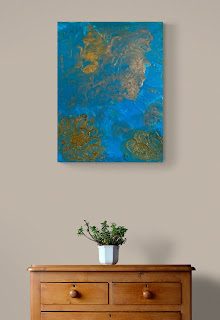
I work with abstract forms, layered acrylic textures, soft color movement, and gold details to create pieces that feel warm, alive, and balanced.
Each painting is made slowly and intuitively, with attention to flow, depth, and harmony.
My intention is that the viewer experiences a gentle sense of interest, calmness, and emotional lightness when looking at the artwork.
Art can stimulate the mind without overwhelming it.
Art can bring small moments of pleasure that help the brain feel alive again.
Explore My Artwork :
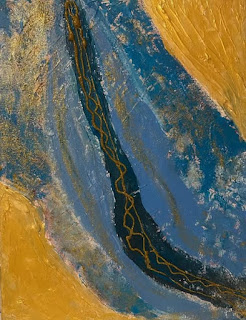

If you are interested in expressive, textured, and calming abstract paintings created with emotional balance in mind, you can visit my pages below.
Etsy shop
https://faripalette.etsy.com
Instagram
https://www.instagram.com/fari.arts4444/
Thank you for supporting handmade art and for bringing more inspiration and balance into your space.
