Introduction
Depression is a prevalent mental health condition characterized by persistent sadness, loss of interest, low energy, and feelings of worthlessness. Traditional treatments like medication and psychotherapy are effective for many, but complementary approaches such as art and art therapy have gained recognition for their ability to alleviate depressive symptoms. Art therapy, a form of expressive therapy, uses the creative process to improve emotional well-being, offering a non-verbal outlet for processing complex emotions. This document examines how art and art therapy can help manage depression, focusing on their mechanisms, benefits, and practical applications.
Part 1: Mechanisms of Art and Art Therapy in Alleviating Depression
1.1 Emotional Expression and Catharsis
Depression often involves suppressed emotions or difficulty articulating feelings, leading to emotional stagnation. Art provides a safe, non-verbal medium for expressing complex emotions that may be hard to verbalize. Creating art—whether through painting, drawing, or sculpting—allows individuals to externalize their inner turmoil, fostering a sense of release and relief.
-
Scientific Evidence: A 2016 study in The Arts in Psychotherapy found that art-making reduced depressive symptoms in adults by enabling emotional catharsis. Participants reported feeling lighter after visually representing their sadness or anger.
-
Practical Benefits: For someone with depression, drawing a chaotic scribble to represent inner turmoil can externalize feelings, making them more manageable. The act of creation itself can shift focus from rumination to productivity.
1.2 Neurological Impact and Mood Regulation
Engaging in art activates brain regions involved in emotional regulation, such as the prefrontal cortex and limbic system. The process of creating art can increase dopamine and serotonin levels, neurotransmitters often depleted in depression, leading to improved mood and motivation.
-
Scientific Evidence: A 2017 study in Journal of Behavioral Medicine showed that art-making increased serotonin levels and reduced cortisol (stress hormone) in individuals with mild to moderate depression. The study noted that even 45 minutes of art creation led to measurable mood improvements.
-
Practical Benefits: Painting with bright colors or sculpting with clay can stimulate sensory engagement, promoting a sense of pleasure and accomplishment. These activities can counteract the anhedonia (loss of pleasure) common in depression.
1.3 Mindfulness and Flow State
Art encourages a state of mindfulness, where individuals focus fully on the present moment, reducing depressive rumination (repetitive negative thinking). The immersive nature of art-making can also induce a “flow state,” a psychological state of deep absorption and engagement, which is associated with reduced anxiety and enhanced well-being.
-
Example: Coloring mandalas, intricate circular patterns, has been shown to promote mindfulness and reduce depressive symptoms. A 2020 study in Art Therapy reported that adults with depression who engaged in mandala coloring for 20 minutes daily experienced decreased rumination and improved mood.
-
Implementation: Encourage simple, repetitive art activities like doodling or watercolor painting to help individuals enter a flow state, providing a mental break from depressive thoughts.
Part 2: Benefits of Art and Art Therapy for Depression
2.1 Building Self-Esteem and Agency
Depression often erodes self-esteem, leaving individuals feeling powerless or worthless. Creating art offers a tangible outcome—a finished piece—that can foster a sense of achievement and control. Art therapy, guided by a trained therapist, further reinforces this by helping individuals reflect on their creations and recognize their strengths.
-
Practical Benefits: Completing a small art project, such as a collage of meaningful images, can boost confidence and provide a sense of purpose. In therapy, discussing the artwork can help individuals reframe negative self-perceptions.
-
Example: In art therapy sessions, individuals might create a “self-portrait” using abstract shapes and colors, then explore what the artwork reveals about their identity, often uncovering hidden resilience.
2.2 Social Connection and Support
Depression can lead to social isolation, as individuals withdraw from relationships. Group art therapy provides a supportive environment where participants can connect with others through shared creative experiences, reducing loneliness and fostering a sense of belonging.
-
Scientific Evidence: A 2019 study in Frontiers in Psychology found that group art therapy significantly reduced depressive symptoms in adults by improving social connectedness. Participants reported feeling understood and supported through collaborative art projects.
-
Implementation: Group activities like creating a mural together allow participants to collaborate, share ideas, and build trust, counteracting the isolation of depression.
2.3 Processing Trauma and Grief
Depression is often linked to unresolved trauma or grief, which can be difficult to address verbally. Art therapy provides a safe way to explore these experiences symbolically, allowing individuals to process pain at their own pace without the pressure of words.
-
Example: A person grieving a loss might create a series of drawings representing their emotions over time, gradually moving from dark, heavy colors to lighter, hopeful ones as they process their grief.
-
Therapeutic Approach: Art therapists might use techniques like “bridging,” where a client creates an artwork representing a past trauma and another depicting a hopeful future, helping them visualize healing.
Part 3: Practical Applications and Strategies
3.1 Art Therapy Settings and Techniques
Art therapy can be conducted in individual or group settings, led by a licensed art therapist trained in both art and psychology. Common techniques for depression include:
-
Free Drawing/Painting: Clients create whatever comes to mind, allowing subconscious emotions to surface. Therapists then facilitate reflection on the artwork.
-
Guided Imagery: Clients visualize a safe place or positive memory, then create an artwork based on that image, promoting relaxation and hope.
-
Sculpture and Clay Work: Working with tactile materials can be grounding, helping clients feel more connected to their bodies and the present moment.
-
Finding a Therapist: Look for certified art therapists through organizations like the American Art Therapy Association (AATA). Many therapists offer virtual sessions, making therapy accessible.
3.2 Incorporating Art into Daily Life
Individuals can engage in art independently to manage depression, even without a therapist:
-
Journaling with Art: Combine drawing and writing in a journal to track emotions. For example, sketch a daily “mood shape” alongside a few words.
-
Color Therapy: Use colors intentionally—bright colors like yellow to lift mood, or calming blues to reduce anxiety.
-
Accessible Materials: Start with simple tools like pencils, markers, or a coloring book. Digital art apps (e.g., Procreate, Adobe Fresco) are also options for tech-savvy individuals.
3.3 Tailoring Art Activities to Depression Symptoms
-
Low Energy: Choose low-effort activities like coloring pre-drawn designs or using watercolor pencils, which require minimal setup.
-
Negative Thinking: Create “positive affirmation art” by painting or collaging words of encouragement, such as “I am enough,” to counter negative self-talk.
-
Emotional Numbness: Experiment with abstract art, focusing on textures and colors to reconnect with emotions in a non-threatening way.
3.4 Challenges and Solutions
-
Lack of Motivation: Start small—set a timer for 5 minutes of art-making to overcome inertia. Reward completion with a favorite activity.
-
Self-Criticism: Emphasize process over product. Remind individuals that art therapy is about expression, not perfection.
-
Overwhelm: Provide structure, such as a prompt (e.g., “Draw how you feel today”) or a specific medium (e.g., crayons), to reduce decision fatigue.
3.5 Community and Online Resources
-
Workshops and Classes: Local community centers or mental health organizations often offer art therapy workshops. Online platforms like Zoom host virtual art therapy groups.
-
Apps and Tools: Apps like “Color Therapy” or “Happy Color” provide digital coloring experiences that promote relaxation.
-
Support Groups: Join online communities like Reddit’s r/ArtTherapy or social media groups where individuals share art and experiences related to mental health.
Conclusion
Art and art therapy offer powerful tools for managing depression by facilitating emotional expression, improving mood, and fostering social connection. Through the creative process, individuals can externalize their struggles, regain a sense of agency, and build resilience. Whether in a therapeutic setting or as a daily practice, art provides a versatile, accessible way to navigate the challenges of depression. By integrating art into their lives, individuals can find relief, hope, and a renewed sense of self, complementing traditional treatments and enhancing overall well-being.
References
-
Curry, N. A., & Kasser, T. (2020). Can coloring mandalas reduce depressive symptoms? Art Therapy.
-
Drake, J. E., & Winner, E. (2017). Art-making and serotonin: A study on mood regulation. Journal of Behavioral Medicine.
-
Shafir, T., et al. (2019). Group art therapy for social connectedness in depression. Frontiers in Psychology.
-
Stuckey, H. L., & Nobel, J. (2016). The connection between art, healing, and depression. The Arts in Psychotherapy.
-
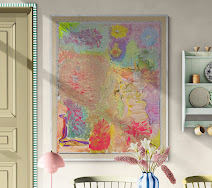 Inspired by This? Discover My Art!
 -
.jpg)
As an artist, I’m deeply passionate about the power of art to bring peace, joy, and new ways of expressing ourselves—especially for children and families.
🌟 You can explore my original paintings, designed to inspire tranquility and happiness, on my Etsy Shop https://faripalette.etsy.com
🌟 Follow my creative journey and get daily inspiration on @fari.arts4444
Every piece I create is made with heart, imagination, and the belief that art can be a bridge to something beautiful—whether that’s a feeling, a conversation, or a brand new dream. 💛
Thank you for supporting handmade art and creative expression!